Rare disease turns knee replacement surgery into life-threatening ordeal

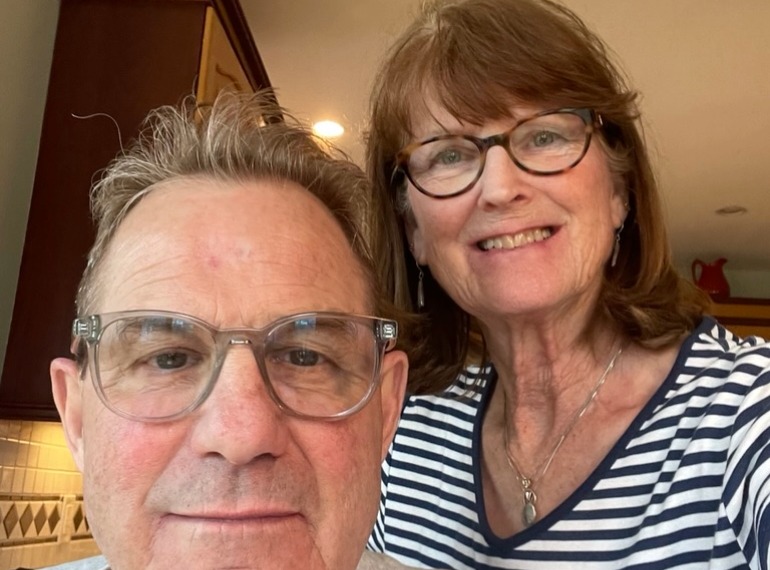
Robert “Scott” Weiser spent more than four decades as a lobbyist at the Iowa Statehouse. Now retired, he enjoys spending time with his wife, Diane, their three adult children and a grandson. That future felt uncertain after what began as a routine knee replacement spiraled into months of hospital stays and setbacks.
Scott first underwent knee replacement surgery at a local hospital. Within days, complications emerged – severe disorientation and dangerously low blood pressure – prompting multiple procedures and rounds of antibiotics. Despite these efforts, his condition worsened, and he transferred to University of Iowa Health Care Medical Center for advanced care. Scott remained hospitalized for months, moving between facilities as clinicians worked to stabilize him.
During this time, doctors discovered a rare autoimmune disease called pyoderma gangrenosum, which causes painful skin ulcers. The disease had triggered large, deep wounds on his left leg, adding complexity to his recovery and making even basic movement impossible.
When Scott finally stabilized, he transitioned to Select Specialty Hospital – Des Moines for extended medical care and healing. Scott was in pain and profoundly weak. His primary goal was deeply personal: “I just wanted to be able to walk again. I have a new grandchild coming and one at home. I want to be able to see them again,” Scott said.
Recovery begins
At Select Specialty Hospital, a physician-led, multidisciplinary team created a plan tailored to his needs.
Scott’s care centered on wound management and regaining strength. Pyoderma gangrenosum requires a specialized approach: surgical removal of dead tissue is not an option because it can make the condition worse. Instead, clinicians used gentle mechanical cleaning—carefully removing debris without harming healthy tissue—and autolytic debridement, which relies on dressings to soften and break down dead tissue naturally. These steps, combined with immunosuppressive therapy to calm the autoimmune response, were essential to controlling the disease, which had spread from his leg to other areas of his body.
Pain was a major barrier at first. The wounds were severe and made even small movements difficult. As healing progressed and pain lessened, Scott began physical therapy.
“I was so weak at first—just pulling myself up in bed and then sitting on the edge of the bed,” was challenging without help, he recalled.
Those small victories built momentum. Therapists introduced short, focused exercises – leg lifts and extensions -- while Scott sat on the edge of his bed. The regular exercises helped restore flexibility and circulation.
As his condition improved, Scott began to do more. He was able to stand, then walk around the room a bit. He regained lost weight.
A turning point came when Scott’s clarity returned, the result of a new medication, and when family and friends began telling him, “You look better. We thought we were going to lose you.”
Those moments gave him confidence that he was moving forward, as did Diane’s daily visits, often with home cooked meals.
After 112 days of continuous hospitalizations, Scott transferred to an inpatient rehabilitation facility to continue building endurance and mobility. He made it home to Diane, and not too long after that, added two new grandbabies to his family.
He was grateful for the texts, calls and visits from family, friends and colleagues. He was also appreciative of the care teams that propelled him forward amid an unexpected and devastating illness.
“Select (Specialty Hospital) is a little known treasure,” Scott said. “I can’t wait to come back and say ‘Hi and thank you’ on my own two feet.”